
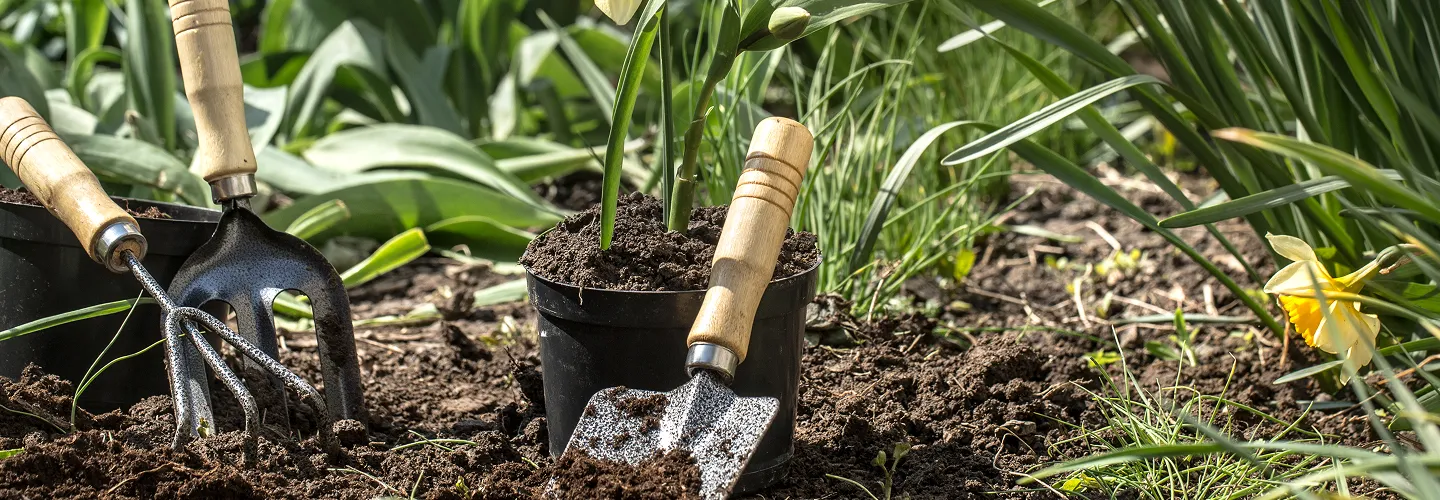
Lake Placid Flower Planting Services
Choose our flower planting services for vibrant, expertly arranged blooms that enhance your curb appeal and thrive in Lake Placid’s unique climate—bringing lasting beauty to your home or business.
Get a Free QuoteOur Lake Placid Landscaping & Yard Care Services
When to Schedule Flower Planting in Lake Placid, Florida – Seasonal Guide
Flower planting in Lake Placid, Florida, is best scheduled with careful attention to our unique subtropical climate and local landscape features. The optimal planting windows typically fall between late winter and early spring, after the last frost date, and again in early fall before the onset of cooler temperatures. Neighborhoods near Lake June-in-Winter and the Highlands Hammock area often experience microclimates, so it’s important to consider your specific location when planning.
Local environmental factors such as high humidity, sandy soils, and the risk of late spring droughts can impact both the timing and success of your flower beds. Areas with dense shade from mature oaks in Placid Lakes or the open, sun-drenched lots near Lake Clay each present different challenges. Always check for municipal watering restrictions and consult resources like the Town of Sudbury’s landscaping guidelines for additional best practices.
Local Factors to Consider for Flower Planting in Lake Placid
- Proximity to lakes and water tables
- Tree density and available sunlight
- Soil composition (sandy vs. loamy)
- Average precipitation and drought risk
- Frost dates and seasonal temperature swings
- Municipal watering or planting restrictions
- Terrain slope and drainage patterns
Benefits of Flower Planting in Lake Placid
Expert Local Knowledge
Customized Plant Selection
Seasonal Color Enhancement
Eco-Friendly Landscaping Solutions
Professional Maintenance Services
Increased Property Value
Lake Placid Flower Planting Types

Perennial Flower Beds
-
Annual Flower Displays
-
Native Wildflower Gardens
-
Shade Garden Plantings
-
Pollinator-Friendly Plantings
-
Container Flower Arrangements
-
Seasonal Bulb Planting
Our Flower Planting Process
Site Evaluation
Soil Preparation
Flower Selection
Planting
Watering and Mulching
Why Choose Lake Placid Landscape Services
-
Lake Placid Homeowners Trust Us
-
Expert Lawn Maintenance
-
Reliable Seasonal Cleanup
-
Competitive Pricing
-
Professional Team
-
Satisfaction Guarantee
-
Personalized Service
Coordinating Flower Planting Projects with Lake Placid's Municipal Departments
Flower planting on residential and commercial properties in Lake Placid may intersect with municipal oversight when projects involve frontage areas, rights-of-way, or proximity to public infrastructure such as swales and drainage systems. Property owners planning large-scale bed installations or landscape modifications near town-maintained areas should coordinate with Development Services to confirm whether site work triggers any review under local land development regulations. Projects that involve grading changes, irrigation tie-ins, or planting within utility easements require particular attention to avoid conflicts with underground infrastructure.
- Confirm whether planting near rights-of-way or swales requires coordination with Public Works
- Verify irrigation connections through the town's utility department before installing new bed zones
- Ensure vegetative debris from bed preparation is disposed of according to municipal yard waste procedures
Lake Placid Parks & Recreation
Official Website: Lake Placid Parks & Recreation
Lake Placid Development Services
Official Website: Lake Placid Development Services
Residents should also be aware that the South Florida Water Management District governs water use in Highlands County, and any new irrigation systems supporting flower beds must comply with applicable water conservation rules.
How Lake Placid's Inland Sandy Soils and Subtropical Heat Shape Flower Planting
Lake Placid sits within USDA Hardiness Zone 9b in the Central Florida inland peninsula, where conditions differ substantially from coastal areas. The town's landscape is defined by deep sandy soils with rapid drainage, low organic matter, and limited nutrient retention. These characteristics directly affect flower establishment and long-term bed performance. According to the USDA Plant Hardiness Zone Map, minimum winter temperatures in this zone typically range between 25°F and 30°F, meaning occasional frost events can damage tender tropical annuals if planted too early in the cool season.
- Sandy soils drain quickly but leach nutrients and require organic amendment at planting to improve moisture retention
- Summer temperatures regularly exceed 90°F with high humidity, creating heat stress and elevated fungal pressure on sensitive flower species
- The wet season from June through September delivers heavy afternoon thunderstorms that can waterlog poorly prepared beds and wash out freshly installed plantings
- Lake Placid's proximity to Lake June-in-Winter, Lake Placid, and other freshwater bodies means runoff from flower beds can carry fertilizer and sediment into sensitive waterways
Flower species suited to this environment include heat-tolerant selections such as pentas, lantana, firebush, blanket flower, and salvia, which tolerate sandy soils and intense sun exposure. Cool-season options like petunias and snapdragons perform well from late October through March but must be removed before summer heat arrives.
Navigating Lake Placid's Code and Environmental Compliance for Flower Planting
Property owners and managers should be aware that flower planting projects in Lake Placid may be subject to property maintenance codes enforced by the town's Code Enforcement division. Overgrown beds, dead plantings, and unmaintained frontage areas can result in code violations. Any chemical treatments applied to flower beds—including pre-emergent herbicides or systemic insecticides—must comply with Florida Statutes Chapter 487, which governs pesticide use, and commercial applicators must hold valid credentials through FDACS Pesticide Applicator Licensing.
- Fertilizer applied to flower beds near lakes, ponds, or drainage swales should follow Florida-Friendly practices outlined under §403.9337 to prevent nutrient loading into surface waters
- Soil, mulch, and plant debris must not be deposited into swales, storm drains, or canal edges during bed preparation
- Properties adjacent to retention ponds or lake shorelines may face additional setback or buffer requirements; verify current standards through the town's planning office
Lake Placid Code Enforcement
Official Website: Lake Placid Code Enforcement
Lake Placid Planning, Zoning & Permitting
Official Website: Lake Placid Planning, Zoning & Permitting
Timing Flower Planting Around Lake Placid's Wet Season and Frost Windows
Professional flower planting in Lake Placid follows two primary installation windows driven by the region's climate. The fall window, typically from mid-October through early December, allows cool-season annuals to establish root systems before the brief frost risk period in January and February. The spring window, from late February through April, is optimal for warm-season and perennial installations that must root before the onset of heavy summer rains.
- Prepare beds by incorporating two to three inches of composted organic matter into the top six to eight inches of sandy soil to improve water-holding capacity
- Install drip irrigation or micro-spray emitters before planting to ensure uniform moisture delivery without overhead saturation that promotes foliar disease
- Apply two to three inches of mulch around plantings, keeping mulch pulled back from stems to prevent crown rot in humid conditions
- Schedule planting for early morning or late afternoon to reduce transplant shock from midday heat exposure
- Avoid planting during active thunderstorm periods in peak wet season, as saturated soils and standing water inhibit root establishment
Irrigation scheduling should align with EPA WaterSense outdoor guidelines and any applicable water management district restrictions. Newly planted flowers typically require daily watering for the first seven to ten days, transitioning to two to three times per week as roots establish, but property owners should verify current watering schedules with the town's utility department.
What Neighborhoods Do We Serve Throughout Lake Placid, FL?
- Placid Lakes — This large platted subdivision features sandy soils with minimal organic content, and many lots border drainage swales or retention areas that require careful bed placement to avoid runoff into the stormwater system.
- Sun 'N Lake of Sebring (adjacent areas) — Properties near the Lake Placid boundary in this planned community often have irrigated lots with established landscape beds that benefit from seasonal flower rotation and soil amendment programs.
- Downtown Lake Placid — The historic town center includes smaller lots with mature shade trees, requiring flower species tolerant of partial shade and root competition from established canopy cover.
- Lake June-in-Winter Estates — Waterfront and near-waterfront properties along Lake June demand particular attention to fertilizer management and buffer planting to protect lake water quality.
- Highlands Park Estates — This residential area features a mix of older and newer lots where soil compaction from construction fill may require additional bed preparation before flower installation.
- Country Club of Sebring (Lake Placid vicinity) — Properties in this area often maintain HOA landscape standards that dictate flower bed placement, species selection, and maintenance frequency.