
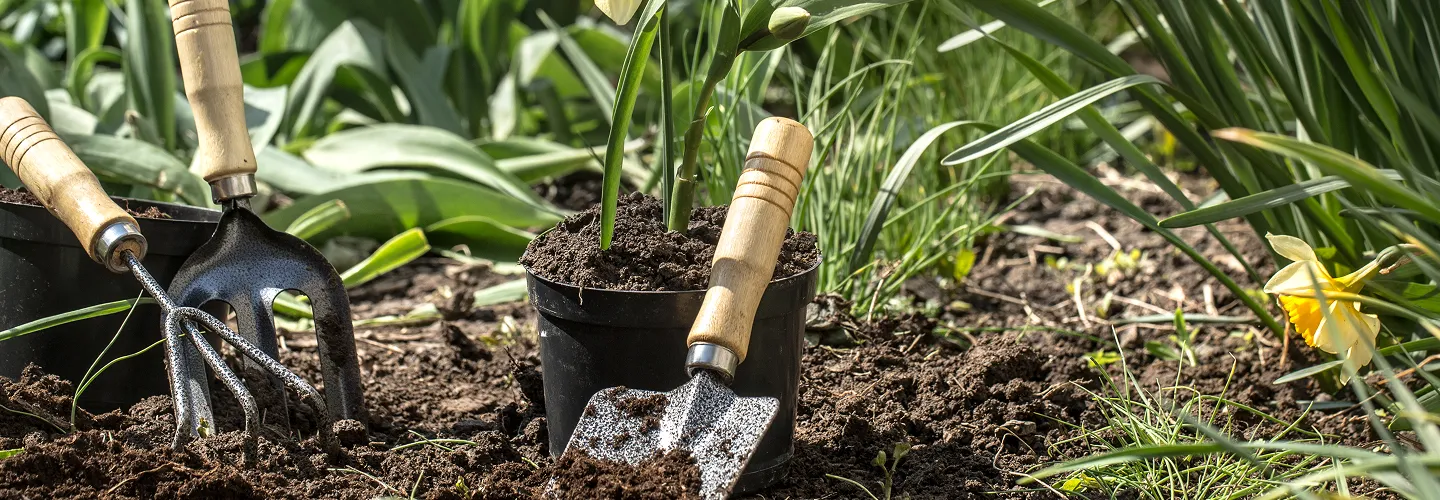
Lake Placid Fertilizing Lawn Services
Choose our fertilizing lawn services for lush, healthy grass that thrives all season long—our expert care ensures your yard stands out with vibrant color and resilience.
Get a Free QuoteOur Lake Placid Landscaping & Yard Care Services
When to Schedule Fertilizing Lawn in Lake Placid, Florida – Seasonal Guide
Fertilizing your lawn in Lake Placid, Florida, requires careful timing to ensure lush, healthy grass throughout the year. The region’s subtropical climate, with its warm temperatures and distinct wet and dry seasons, means that the best times for fertilization are typically in early spring and late summer. These periods align with the active growth phases of common turfgrasses found in neighborhoods like Sun 'n Lake and around Lake June-in-Winter, allowing nutrients to be absorbed efficiently while minimizing runoff.
Local environmental factors play a significant role in determining the optimal fertilizing schedule. For example, the risk of late spring frosts can delay early applications, while the sandy soils prevalent in areas near Highlands Hammock State Park may require more frequent, lighter feedings to prevent nutrient leaching. Additionally, shaded lawns beneath mature oaks or pines, common in the Placid Lakes community, may need a different approach than sun-drenched properties. For more information on local regulations and best practices, consult the official municipal resource.
Local Factors to Consider for Fertilizing Lawn in Lake Placid
- Tree density and shade coverage impacting grass growth
- Soil type (sandy vs. loamy) affecting nutrient retention
- Seasonal precipitation patterns and drought risk
- Proximity to lakes or wetlands, influencing runoff concerns
- Municipal restrictions on fertilizer use during rainy season
- Terrain slope, which can affect fertilizer distribution and runoff
Benefits of Fertilizing Lawn in Lake Placid
Enhanced Lawn Health
Improved Grass Color
Weed and Pest Resistance
Thicker Turf Growth
Seasonal Nutrient Balance
Professional Landscaping Expertise
Lake Placid Fertilizing Lawn Types

Warm-Season Grass Fertilization
-
Cool-Season Grass Fertilization
-
Organic Lawn Fertilization
-
Weed and Feed Treatments
-
Slow-Release Fertilizer Applications
-
Starter Fertilizer for New Lawns
-
Seasonal Fertilizer Programs
Our Fertilizing Lawn Process
Soil Analysis
Fertilizer Selection
Application Scheduling
Even Distribution
Post-Application Inspection
Why Choose Lake Placid Landscape Services
-
Lake Placid Homeowners Trust Us
-
Expert Lawn Maintenance
-
Reliable Seasonal Cleanup
-
Competitive Pricing
-
Professional Team
-
Satisfaction Guarantee
-
Personalized Service
Coordinating Lawn Fertilization Services with Lake Placid Municipal Departments
Residents and property managers in Lake Placid should coordinate lawn fertilization activities with municipal infrastructure and stormwater protection priorities. The Town of Lake Placid maintains drainage swales, roadside inlets, and public rights-of-way that are directly affected by fertilizer runoff. Before applying any granular or liquid fertilizer, property owners should confirm that spreader equipment is calibrated to prevent material from landing on impervious surfaces such as sidewalks, driveways, and streets that drain into the town's stormwater system. Any fertilizer granules that reach pavement should be swept back onto the turf immediately rather than washed into curb inlets or swales.
- Verify current yard waste and debris collection schedules through Public Works before disposing of empty fertilizer bags or containers curbside
- Coordinate irrigation schedules with the town's utility department to ensure fertilizer is watered in without excess runoff
- Report drainage blockages or swale damage that may worsen nutrient transport to nearby lakes
Lake Placid Public Works & Sanitation
Official Website: Lake Placid Public Works & Sanitation
Lake Placid Utility Water & Wastewater
Official Website: Lake Placid Utility Water & Wastewater
How Lake Placid's Inland Soils and Lake Systems Affect Lawn Fertilization
Lake Placid sits within Central Florida's inland peninsula, classified in USDA Hardiness Zone 9b, where warm-season turf grasses grow actively from late March through October. The town's landscape is defined by numerous freshwater lakes—including Lake Placid, Lake June-in-Winter, and Lake Grassy—making nutrient runoff a critical environmental concern. Soils throughout Highlands County are predominantly deep, well-drained to excessively drained inland sands with low organic matter and limited nutrient-holding capacity. These sandy profiles allow nitrogen and potassium to leach rapidly below the root zone, particularly during the wet season from June through September when rainfall commonly exceeds six inches per month.
- Sandy soils require slow-release nitrogen sources to reduce leaching losses and extend nutrient availability
- High water tables near lakefront properties increase the risk of fertilizer reaching groundwater
- Summer humidity and heat accelerate turf growth, increasing nutrient demand but also fungal disease pressure
- Bahiagrass, St. Augustinegrass, and zoysiagrass are the predominant turf species in the area, each with distinct fertilization rates recommended by UF/IFAS Gardening Solutions
Soil testing through the Highlands County UF/IFAS Extension office is the most reliable method for determining actual nutrient deficiencies before applying any fertilizer product.
Fertilizer Regulations and Environmental Compliance in Lake Placid, FL
Florida's Model Ordinance for Florida-Friendly Fertilizer Use on Urban Landscapes (§403.9337) establishes a statewide framework that local governments may adopt or strengthen. Property owners and lawn care operators in Lake Placid should verify whether Highlands County or the Town of Lake Placid has adopted a local fertilizer ordinance by contacting the town's Code Enforcement division, as local ordinances may impose seasonal application blackout periods, buffer zone requirements near water bodies, or nitrogen and phosphorus content restrictions. The Florida-Friendly Fertilizer Ordinances App maintained by UF/IFAS provides a searchable database of adopted local ordinances across the state.
- Commercial fertilizer applicators must hold appropriate credentials through the Florida Department of Agriculture and Consumer Services (FDACS) when applying fertilizer as part of a licensed pest control or lawn care operation
- Fertilizer must not be applied within low-maintenance zones adjacent to lakes, ponds, canals, or wetlands without verifying local buffer requirements
- Phosphorus application is restricted under the state model ordinance unless a soil test confirms a deficiency
- The Florida DEP NPDES Stormwater Program governs municipal stormwater discharge, and nutrient loading from residential and commercial fertilization contributes to regulated pollutant totals
Lake Placid Code Enforcement
Official Website: Lake Placid Code Enforcement
Timing and Application Standards for Lawn Fertilization in Lake Placid
Professional fertilization in Lake Placid's climate requires careful alignment with turf growth cycles, rainfall patterns, and irrigation infrastructure. Warm-season turf grasses should receive their first application after full green-up in spring, typically between mid-March and mid-April, when soil temperatures consistently exceed 65°F and root systems are actively absorbing nutrients. Applications during the peak wet season require particular caution, as heavy afternoon thunderstorms can wash surface-applied fertilizer into drainage systems before it is absorbed.
- Use fertilizer products containing at least 50% slow-release nitrogen to reduce leaching through Lake Placid's sandy soils
- Apply fertilizer when no rain is forecast within 24 hours, and irrigate lightly afterward to move granules into the soil without generating runoff
- Avoid fertilizing dormant or drought-stressed turf, as roots cannot effectively uptake nutrients under those conditions
- Maintain a deflector shield on rotary spreaders when working near sidewalks, driveways, lake edges, and storm-drain inlets
- St. Augustinegrass in Central Florida typically requires two to four applications per year; bahiagrass generally needs fewer applications, as outlined by UF/IFAS lawn care guidelines
- Split annual nitrogen into multiple smaller applications rather than one heavy dose to match the turf's uptake capacity and minimize environmental loss
Irrigation coordination is essential—properties served by the town's water utility should confirm current watering day restrictions to ensure fertilizer can be properly watered in on the appropriate schedule.
What Neighborhoods Do We Serve Throughout Lake Placid, FL?
- Placid Lakes — This large platted subdivision features sandy soils with limited organic content, and many lots border drainage swales and retention areas that require careful fertilizer placement to prevent nutrient migration into the broader canal network.
- Sun 'N Lake of Sebring (adjacent areas) — Properties near the Sun 'N Lake community boundary often have established St. Augustinegrass lawns on fill soils that benefit from soil testing before fertilization to identify actual nutrient needs.
- Lake June-in-Winter waterfront properties — Lakefront lots along Lake June-in-Winter demand strict adherence to buffer zone practices, as fertilizer applied near the shoreline can directly impact water quality.
- Downtown Lake Placid — Older residential lots near the town center tend to have compacted soils and mature tree canopy, creating shade conditions that reduce turf fertilizer requirements.
- Highlands Park Estates — This rural-residential area features larger lot sizes with bahiagrass-dominant turf that typically requires lower nitrogen inputs than St. Augustinegrass installations.
- Lake Placid Country Club vicinity — Properties surrounding the golf course corridor often maintain irrigated turf that requires coordinated fertilization and irrigation scheduling to prevent excess runoff into adjacent drainage features.