
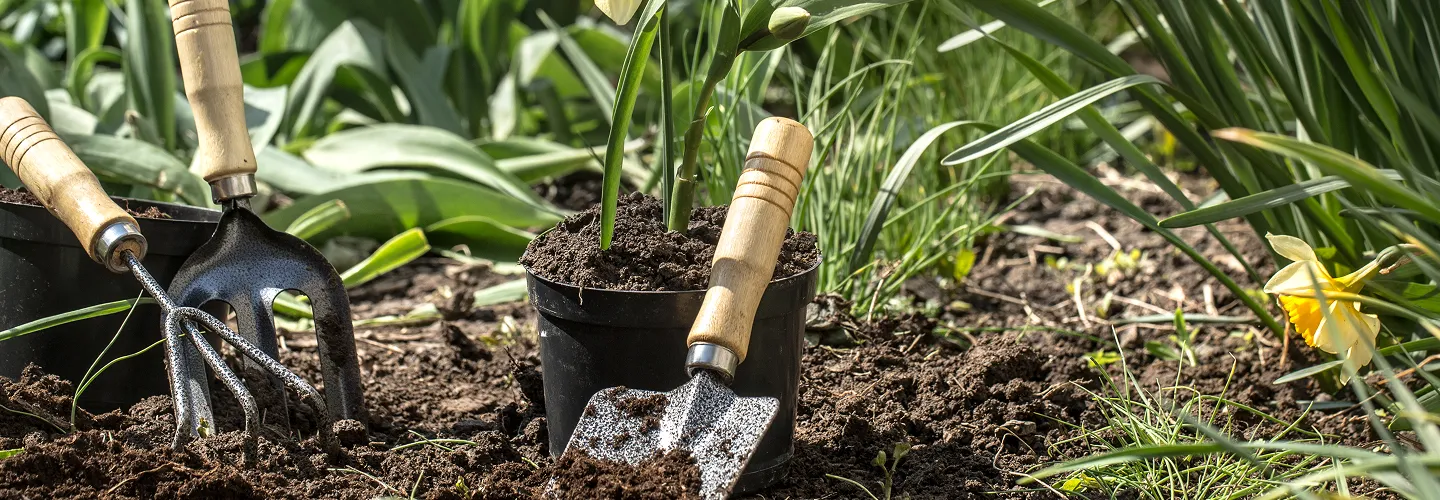
Lake Placid Lawn Edging Services
Choose our Lawn Edging services for precise, durable borders that enhance curb appeal, prevent grass overgrowth, and give your landscape a polished, professional look all season long.
Get a Free QuoteOur Lake Placid Landscaping & Yard Care Services
When to Schedule Lawn Edging in Lake Placid, Florida – Seasonal Guide
In Lake Placid, Florida, the best times to schedule lawn edging are typically during the early spring and late fall. These periods align with the region’s mild temperatures and moderate rainfall, which help promote healthy turf growth and make soil easier to work with. The local climate, characterized by warm, humid summers and occasional winter frosts, means that edging during the hottest months can stress your lawn, while winter’s cooler temperatures and potential frost—especially in neighborhoods near Lake June-in-Winter or around Highlands Hammock State Park—can limit growth and recovery.
Local environmental factors play a significant role in determining the optimal timing for lawn edging. For example, areas with dense shade from mature oaks in Placid Lakes may require different scheduling than sunnier lots near downtown. Soil composition, such as the sandy soils common in Sun 'n Lake Estates, affects how well edges hold their shape. Additionally, municipal guidelines and seasonal drought risks should be considered; always check local regulations before scheduling services.
Local Factors to Consider for Lawn Edging in Lake Placid
- Tree density and shade coverage (affects grass growth and edge visibility)
- Soil type (sandy vs. loamy soils impact edge durability)
- Seasonal precipitation and drought risk
- Proximity to lakes or wetlands (influences humidity and soil moisture)
- Terrain and slope (affects water runoff and edging stability)
- Municipal restrictions or neighborhood association guidelines
Benefits of Lawn Edging in Lake Placid
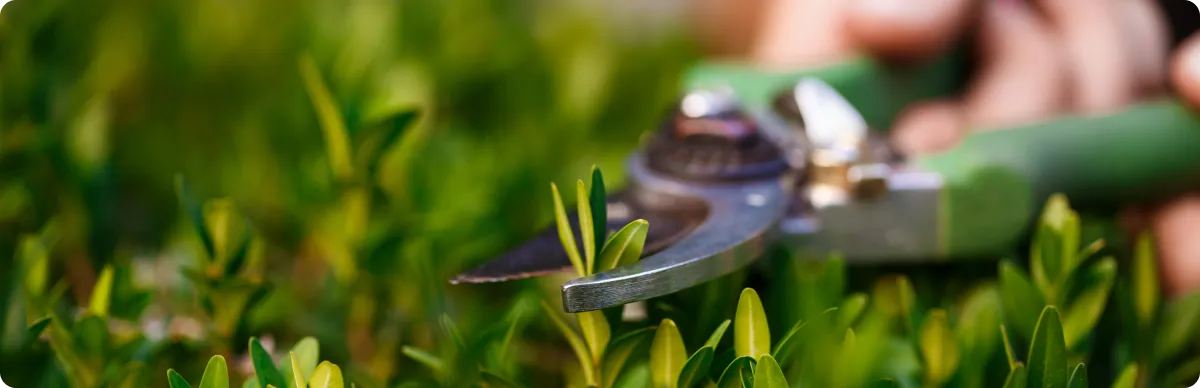
Enhanced Curb Appeal
Weed Growth Prevention
Defined Landscape Borders
Low Maintenance Solutions
Increased Property Value
Professional Installation Expertise
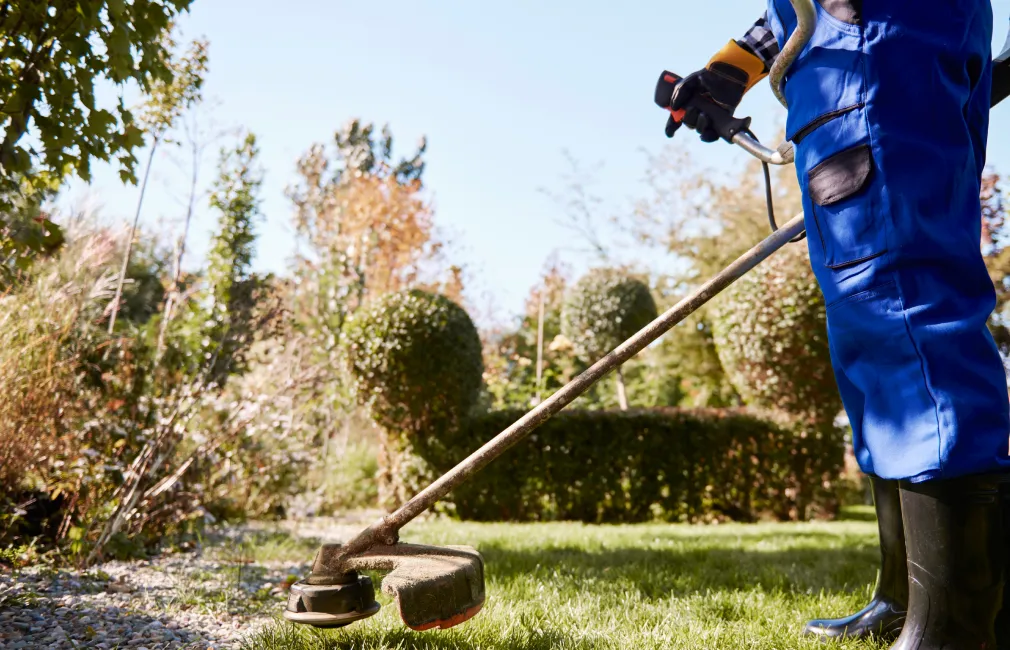
Lake Placid Lawn Edging Types

Brick Lawn Edging
-
Stone Landscape Borders
-
Metal Garden Edging
-
Plastic Lawn Edging
-
Concrete Curbing
-
Wooden Landscape Edging
-
Rubber Lawn Borders
Our Lawn Edging Process
Site Evaluation
Marking Edges
Cutting Borders
Debris Removal
Final Inspection
Why Choose Lake Placid Landscape Services
-
Lake Placid Homeowners Trust Us
-
Expert Lawn Maintenance
-
Reliable Seasonal Cleanup
-
Competitive Pricing
-
Professional Team
-
Satisfaction Guarantee
-
Personalized Service
Coordinating Lawn Edging Services with Lake Placid's Public Works and Code Enforcement
Lawn edging in Lake Placid requires awareness of municipal infrastructure and property maintenance standards enforced at the town level. The Town of Lake Placid's Code Enforcement division oversees property upkeep requirements, including the condition of turf edges along sidewalks, driveways, and rights-of-way. Overgrown or neglected edges that encroach onto public walkways or obstruct drainage swales may trigger code compliance action. Residents and property managers should also coordinate with Public Works regarding vegetative debris generated during edging work, particularly clippings and soil displaced near curb inlets or roadside swales.
- Edging debris must not be swept or blown into storm drains, swales, or roadside ditches
- Properties adjacent to town-maintained rights-of-way should confirm boundary lines before edging along public infrastructure
- Vegetative waste from edging should follow the town's yard waste collection procedures; verify current pickup schedules with Public Works
Lake Placid Code Enforcement
Official Website: Lake Placid Code Enforcement
Lake Placid Public Works & Sanitation
Official Website: Lake Placid Public Works & Sanitation
How Lake Placid's Inland Sandy Soils and Wet Season Shape Lawn Edging
Lake Placid sits within Central Florida's inland peninsula, classified in USDA Hardiness Zone 9b, where warm-season turf grasses grow aggressively from late spring through early fall. The area's predominant sandy soils—characteristic of Highlands County's interior ridge and flatwoods landscape—drain quickly but shift easily, which affects the stability of edged borders along walkways and beds. The region's wet season, typically running from June through September, accelerates turf growth and causes rapid edge encroachment along hardscape surfaces.
- Sandy soil displacement: Edging cuts in loose sand tend to collapse or fill in faster than in clay-based soils, requiring more frequent maintenance cycles during the growing season
- High summer humidity: Sustained humidity above 70 percent promotes stoloniferous spread in St. Augustinegrass and bahiagrass, the two most common turf types in Lake Placid, pushing runners across sidewalk and driveway edges quickly
- Lake and retention area proximity: Many Lake Placid properties border lakes, ponds, or stormwater retention areas; edging near these features must avoid displacing soil or organic matter into the water, consistent with Florida DEP stormwater protection guidance
- Irrigation runoff: Over-irrigated edges erode faster in sandy soils, and excess water carrying displaced soil or clippings can reach nearby swales or lake shorelines
Lake Placid Property Maintenance Codes and Stormwater Compliance for Lawn Edging
Lawn edging in Lake Placid intersects with both local property maintenance codes and broader environmental compliance frameworks. The town's code enforcement standards address overgrown vegetation and frontage appearance, which directly relates to the condition of turf edges along public-facing property boundaries. While lawn edging itself does not typically require a permit, edging work that alters grade, disturbs drainage flow, or encroaches into utility easements may require coordination with the town's Development Services division.
- Properties within the town's municipal stormwater system must ensure edging practices do not redirect runoff or deposit sediment into drainage infrastructure, in alignment with the Clean Water Act and Florida's NPDES stormwater program
- If edging involves chemical treatments along borders—such as herbicide application to suppress edge regrowth—the applicator must hold appropriate FDACS certification when required by Florida Statutes
- Edging near irrigation lines, water meters, or utility easements should be performed carefully to avoid damaging subsurface infrastructure; verify easement locations through the town's planning office if uncertain
Lake Placid Development Services
Official Website: Lake Placid Development Services
Timing and Methods for Lawn Edging Around Lake Placid's Growing Season
Professional lawn edging in Lake Placid follows the aggressive growth patterns of warm-season turf species common to the Highlands County area. St. Augustinegrass and bahiagrass dominate residential landscapes, and both produce vigorous lateral runners—stolons and rhizomes—that require consistent mechanical edging to maintain clean borders. According to UF/IFAS lawn maintenance guidance, edging should be performed in coordination with regular mowing to maintain turf health and prevent scalping at borders.
- Peak edging frequency: During the active growing season (April through October), edging along sidewalks, driveways, and bed borders is typically needed every one to two weeks depending on turf vigor and irrigation levels
- Blade depth: Mechanical edgers should cut to a depth of approximately two to three inches to sever stolons cleanly without undermining adjacent hardscape or exposing excessive root zones
- Dry-season adjustment: From November through March, turf growth slows significantly in Lake Placid's mild but cooler inland winter; edging frequency can often be reduced to monthly or as-needed intervals
- Clipping management: All displaced turf, soil, and clippings should be swept from sidewalks, driveways, and curb lines back onto the lawn surface or collected for disposal—never directed into storm drains, swales, or lake edges
- String trimmer caution: String trimmers used for vertical edging can damage tree bark, irrigation heads, and landscape lighting if not operated with care along bed borders and tree rings
What Neighborhoods Do We Serve Throughout Lake Placid, FL?
- Placid Lakes: This large platted subdivision features extensive canal systems and retention areas, making stormwater-conscious edging practices essential along lakefront and canal-adjacent lots with predominantly sandy soils.
- Sylvan Shores: Properties in this established community often border Lake Istokpoga or nearby waterways, requiring careful edging near shoreline buffers to prevent soil and debris from entering the water.
- Sun 'N Lake of Sebring (adjacent areas): Lots near the Lake Placid boundary in this planned community tend toward larger footprints with irrigated turf, where frequent edging is needed along extended driveway and sidewalk frontages.
- Downtown Lake Placid: The town's historic core includes smaller lots with mature landscaping, where edging along narrow sidewalks and mixed hardscape requires precision to avoid damaging adjacent plantings and infrastructure.
- Lake June-in-Winter Estates: Properties surrounding Lake June-in-Winter feature lakefront exposure and sandy soils, where edging near shoreline vegetation and dock access paths demands attention to erosion and runoff control.