
Lake Placid Pruning Services
Choose our professional pruning services for healthier trees, enhanced curb appeal, and peace of mind knowing your landscape is in expert hands.
Get a Free QuoteOur Lake Placid Landscaping & Yard Care Services
When to Schedule Pruning in Lake Placid, Florida – Seasonal Guide
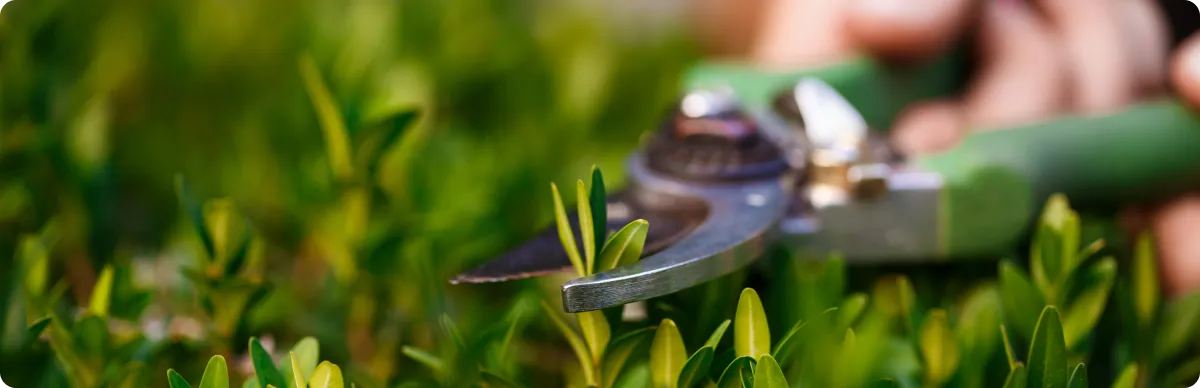
Pruning in Lake Placid, Florida, is best scheduled with careful attention to our unique subtropical climate and the specific needs of local landscapes. The optimal time for most pruning is late winter to early spring, just before new growth begins and after the risk of frost has passed—typically around late February to early March. This timing helps minimize plant stress and encourages healthy regrowth, especially for ornamental trees and shrubs common in neighborhoods like Sun 'n Lake Estates and around Lake June-in-Winter.
Local environmental factors play a significant role in determining the best pruning schedule. For example, the sandy soils prevalent in the Highlands County area can affect root stability, while periods of high humidity and summer rainfall may increase the risk of disease if pruning wounds are left exposed. It's also important to consider the microclimates created by shade from mature oaks or pines, as well as municipal guidelines for tree maintenance near public spaces or along the Lake Placid Trail.
Benefits of Pruning in Lake Placid
Enhanced Plant Health
Improved Curb Appeal
Increased Sunlight Exposure
Disease Prevention
Professional Expertise
Customized Landscaping Solutions
Lake Placid Pruning Types

Crown Thinning
-
Crown Raising
-
Crown Reduction
-
Deadwooding
-
Formative Pruning
-
Pollarding
-
Vista Pruning
Our Pruning Process
Site Evaluation
Plant Selection
Strategic Cutting
Debris Removal
Why Choose Lake Placid Landscape Services
-
Lake Placid Homeowners Trust Us
-
Expert Lawn Maintenance
-
Reliable Seasonal Cleanup
-
Competitive Pricing
-
Professional Team
-
Satisfaction Guarantee
-
Personalized Service
Coordinating Pruning Debris Disposal and Public Works in Lake Placid
Pruning generates vegetative debris that must be managed in accordance with the Town of Lake Placid's collection and disposal procedures. Residents and property managers should confirm current curbside pickup schedules, bundling requirements, and accepted material types through the Public Works & Sanitation division before placing pruning debris at the curb. Vegetative trimmings should never be deposited into swales, drainage ditches, canal edges, or stormwater inlets, as decomposing organic material can impair water quality in Lake Placid's interconnected lake system.
- Separate pruning debris from household waste and non-vegetative materials before placing it for collection
- Keep cut branches, palm fronds, and clippings clear of roadside drainage structures and canal banks
- Verify any size or volume limitations for curbside vegetative debris with Public Works before large-scale pruning projects
- Commercial pruning operations may be subject to separate hauling and disposal requirements
Lake Placid Public Works & Sanitation
Official Website: Lake Placid Public Works & Sanitation
Property owners coordinating pruning near public parks, medians, or town-maintained greenspaces should also be aware that the Parks & Recreation Department manages vegetation in those areas and may have specific standards for adjacent private-side work.
Lake Placid Parks & Recreation
Official Website: Lake Placid Parks & Recreation
How Lake Placid's Inland Climate and Sandy Soils Shape Pruning Needs
Lake Placid sits within Central Florida's inland peninsula, classified in USDA Hardiness Zone 9b to 10a. The town's subtropical climate produces long, humid summers with heavy rainfall concentrated from June through September, followed by a cooler, drier period from November through March. These conditions directly influence how trees and shrubs grow—and when pruning is most effective.
- Rapid wet-season growth: High humidity and frequent afternoon thunderstorms accelerate canopy expansion in species such as live oak, crape myrtle, sabal palm, and tropical ornamentals, often requiring more frequent structural assessment
- Sandy, well-drained soils: The inland sand-based soil profiles common throughout Highlands County drain quickly but offer limited nutrient retention, which can produce leggy, weakly attached growth in under-fertilized trees and shrubs
- Storm vulnerability: Lake Placid's position in the interior peninsula still exposes it to tropical storm winds; unpruned deadwood, crossing branches, and top-heavy canopies become hazards during hurricane season
- Freeze risk: Unlike coastal South Florida, Lake Placid experiences occasional winter freezes that can damage tropical species, making post-freeze corrective pruning a periodic necessity
Understanding these conditions helps property owners time pruning to support plant health rather than simply responding to overgrowth. The UF/IFAS Gardening Solutions resource on protecting Florida's water resources provides additional context on how landscape management interacts with local hydrology.
Navigating Lake Placid's Code Enforcement and Permit Standards for Pruning
The Town of Lake Placid enforces property maintenance codes that may affect how and when pruning is performed on residential and commercial properties. Overgrown vegetation that obstructs sidewalks, rights-of-way, sight triangles at intersections, or utility access can trigger code enforcement action. Property owners should review current municipal land development and maintenance codes to understand visibility and clearance expectations along public frontages.
- Pruning that involves work within the public right-of-way or near town-maintained infrastructure may require coordination with Development Services or Planning, Zoning & Permitting
- The town may apply review requirements for tree removal or significant canopy reduction depending on location, species, or scope—verify current thresholds through the permitting office before proceeding
- Contractors performing pruning that includes any pesticide application for disease management must hold appropriate licensure through the Florida Department of Agriculture and Consumer Services
- Debris from pruning operations must not enter stormwater conveyance systems; the Florida DEP NPDES Stormwater Program establishes discharge prevention standards that apply to municipal stormwater systems
Lake Placid Code Enforcement
Official Website: Lake Placid Code Enforcement
Lake Placid Planning, Zoning & Permitting
Official Website: Lake Placid Planning, Zoning & Permitting
Timing and Technique Standards for Pruning in Lake Placid's Growing Seasons
Professional pruning in Lake Placid should account for the town's extended growing season and the distinct demands of its wet and dry periods. Not all species follow the same pruning calendar, and timing cuts incorrectly can expose plants to disease, sun scald, or storm damage.
- Structural pruning on shade trees such as live oaks and laurel oaks is generally most effective during late winter or early spring, before the flush of new growth and ahead of hurricane season
- Flowering shrubs and ornamentals should be pruned based on bloom cycle—spring-flowering species are typically pruned after blooming, while summer-flowering species can be shaped in late winter
- Palm frond removal should be limited to fully brown or broken fronds; removing green fronds weakens palms and is discouraged by UF/IFAS extension guidance
- Sanitation between cuts is important when pruning species susceptible to fungal or bacterial infection, particularly during Lake Placid's humid summer months when pathogens spread rapidly
- Storm preparation pruning should be completed before June to reduce wind-catch and deadwood hazards; reactive pruning after storm damage should prioritize structural safety over cosmetic appearance
- Avoid heavy canopy reduction during peak summer heat, as exposed bark and interior branches are vulnerable to sunburn and stress in Central Florida's intense solar conditions
Cuts should follow ANSI A300 pruning standards, preserving branch collars and avoiding flush cuts or topping, which compromise long-term tree structure.
What Neighborhoods Do We Serve Throughout Lake Placid, FL?
- Lake June-in-Winter area: Properties adjacent to this large lake often feature mature live oaks and ornamental plantings that require regular structural pruning to maintain views and protect lakefront structures from wind-loaded canopies.
- Placid Lakes: This subdivision features established residential lots with mixed native and ornamental trees where routine pruning supports drainage flow and maintains clearance along neighborhood streets.
- Sun 'N Lake of Sebring (adjacent community): Larger lots with diverse tree canopies and proximity to retention areas create ongoing pruning needs for both storm preparation and stormwater protection.
- Downtown Lake Placid / Interlake Boulevard corridor: Commercial and residential properties along the town's core require pruning that maintains sidewalk clearance, sign visibility, and compliance with municipal frontage standards.
- Highlands Park Estates: Older residential lots with mature shade trees benefit from periodic deadwood removal and canopy thinning to reduce storm risk and improve light penetration to understory plantings.
- Lake Placid Country Club vicinity: Properties near the golf course and surrounding residential streets often feature ornamental hedges and specimen trees that require species-specific pruning schedules aligned with the area's aesthetic standards.